

Hackney Flats Removals for Tight Staircases and Access Issues
Posted on 01/08/2026
Moving out of a Hackney flat can feel straightforward right up until you meet the staircase. One awkward turn, a narrow landing, a heavy sofa, and suddenly the whole day needs a rethink. Hackney Flats Removals for Tight Staircases and Access Issues is really about solving those frustrating access problems before they become expensive delays, damaged furniture, or a very stressed moving crew at 8:15 in the morning. If you live in a period conversion, a top-floor walk-up, or a building with restricted parking, this guide will help you plan the move properly, choose the right support, and avoid the common traps that catch people out.
You will find practical steps here, plus a few hard-won lessons from the kind of moves where the stairwell is barely wider than the mattress. To be fair, that is a very Hackney problem. And yes, it can still be managed well.
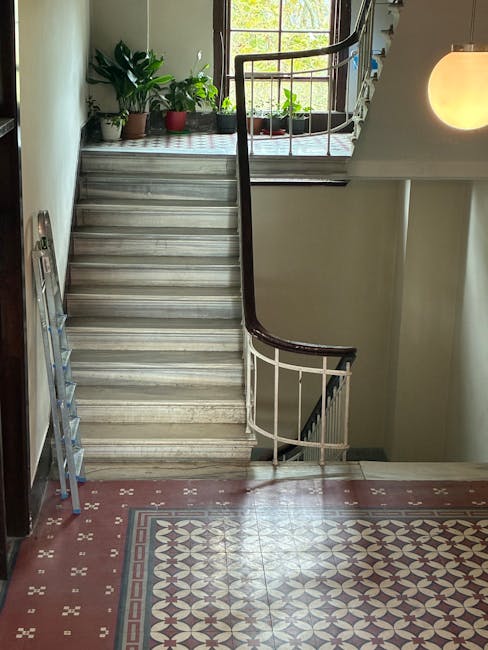
Why Hackney Flats Removals for Tight Staircases and Access Issues Matters
Flat removals are always easier when the route from front door to van is simple. In Hackney, that is not always the case. Many homes sit in converted terraces, mansion blocks, older walk-ups, or shared buildings with tight turns, steep internal stairs, limited parking, and awkward access from the street. Add in a rainy day, a bulky wardrobe, or a sofa that seemed smaller in the showroom, and the move can become much more complicated than expected.
Why does this matter so much? Because access issues affect almost every part of the job: the time it takes, how many people are needed, what vehicle size works, how carefully items must be carried, and whether some furniture needs to be dismantled. A move that is not planned around the building can create avoidable knocks on walls, scuffed banisters, or items that simply will not fit through the stairwell in one piece.
There is also the stress factor. When people are already packing, handing keys back, and trying to keep children, pets, or neighbours out of the way, the last thing they need is a last-minute furniture puzzle. This is where good planning pays off. It is not just about lifting. It is about reading the building properly.
If you want a broader look at how local moving services are organised, our services overview is a useful place to start, and for a more general moving guide, the article on tips for hiring professional movers gives a solid baseline.
How Hackney Flats Removals for Tight Staircases and Access Issues Works
At a practical level, this type of removal works by breaking the job into smaller, more manageable parts. That sounds obvious, but it is the difference between a move that flows and one that stalls halfway down the stairs with a chest of drawers wedged sideways like a bad joke.
The process usually begins with a short access assessment. This may be done over the phone, through photos, or during a survey. The mover will want to know:
- how many flights of stairs there are
- whether the stairwell turns sharply or narrows at the top
- if there is a lift, and whether it is usable for furniture
- whether parking is close enough for quick loading
- if there are entry codes, buzzers, or shared hallways
- which items are especially large, heavy, or fragile
From there, the move is planned with the building in mind. A good removal team may bring extra hands, protective coverings, furniture blankets, straps, and tools for dismantling. If access is especially difficult, they may recommend taking furniture apart before the move, moving certain items separately, or using a smaller vehicle that can park closer to the entrance.
For some items, specialist handling makes sense. A piano, for example, is a very different job from moving a box of books. If you have one, it is worth looking at piano removals in Hackney rather than trying to treat it like ordinary furniture. Likewise, if you are moving a full set of furnishings, the guide to furniture removals may help you understand what to expect.
And yes, if the stairs are brutal, the route often matters more than the van. That is one of those things people only realise once they are carrying a wardrobe and thinking, well, this seemed like a good idea earlier.
Key Benefits and Practical Advantages
Planning for tight staircases and access issues does more than protect the walls. It changes the whole rhythm of moving day.
- Fewer delays: the crew knows in advance what to expect, so they can work faster and more confidently.
- Lower risk of damage: protective wrapping, correct lifting techniques, and the right equipment reduce scrapes and knocks.
- Better vehicle choice: smaller vans may be easier to park near Hackney terraces and conversion blocks.
- Less heavy lifting in awkward positions: items can be dismantled or route-planned before they become a problem.
- Clearer pricing: when the access picture is accurate, quotes are usually more realistic.
- Less stress for you: you are not trying to solve logistics while also chasing keys, boxes, and utilities.
There is also a quieter benefit: confidence. When the movers are prepared, you can usually tell. They arrive with a plan, not just optimism. That matters quite a lot in buildings where the first bend in the staircase is already a challenge.
If you are comparing moving options, it may help to read about flat removals in Hackney alongside man with a van services, because the right choice depends on how complex the access really is.
Who This Is For and When It Makes Sense
This kind of removal is especially relevant if you live in a top-floor flat, a Victorian conversion, a building with no lift, or a property where the hallway is narrow enough that two people cannot pass comfortably. It also makes sense if your furniture is large relative to the staircase, if parking is tricky, or if the building has shared access rules that slow everything down.
Students often run into this too. A third-floor flat with steep stairs and limited parking is not unusual in Hackney, and the move can still be handled well with the right preparation. If that is your situation, the page on student removals in Hackney is worth a look.
It also suits people who are moving under time pressure. If keys are changing hands on the same day, or you only have a short loading window, a team that understands access issues can save a great deal of hassle. Sometimes the smartest solution is a partial move, with the rest placed into storage in Hackney until the new place is ready for it.
In our experience, the people who benefit most are not always those with the largest flats. They are the ones with the trickiest buildings. A one-bedroom walk-up can be more complicated than a larger place with a lift and decent parking. Funny how that works.
Step-by-Step Guidance
Here is a practical way to approach a Hackney flat move when stairs and access are likely to slow things down.
- Measure the awkward bits first. Width of staircases, height of landings, entrance doors, and any corners where large furniture must turn. Do not guess. That is where plans unravel.
- List the problem items. Sofas, bed frames, wardrobes, dining tables, fridges, mirrors, and anything fragile or unusually heavy should be flagged early.
- Check parking and loading distance. If the van cannot stop close to the building, factor in extra carrying time and possible manual shuttle runs.
- Decide what should be dismantled. Flat-pack furniture can often be moved more easily when partly taken apart. Larger pieces usually need careful disassembly.
- Protect the building. Cover bannisters, corners, and floors where needed. It is better to spend ten minutes protecting a landing than to apologise for a mark later.
- Pack by weight and fragility. Heavy items go in smaller boxes. Fragile items should be wrapped and labelled clearly. If you are unsure, the guide on transporting fragile items gives useful context.
- Confirm arrival timing and access details. Buzzers, keys, codes, permit arrangements, loading restrictions, and neighbour sensitivities should all be shared in advance.
- Keep the route clear. Hallways should be free of loose bags, shoes, recycling, and the usual pile-up of things that somehow appears in every flat by 9 a.m.
- Walk the movers through the route. Show the tricky landing, the low ceiling, the awkward gate, or the place where the sofa must tilt just so.
- Do a final sweep before leaving. Check cupboards, behind doors, and under beds. Every mover has seen one "forgotten" charger turn into a panic delay.
That last one is oddly universal. Somewhere, someone is always looking for keys or a kettle.
Expert Tips for Better Results
When access is tight, small choices make a big difference. Here are the tips that tend to matter most.
Choose the right van size, not the biggest one. Bigger is not always better in Hackney. A van that is easier to park near the property can save more time than one with extra empty space.
Use the right boxes. Smaller, sturdier boxes are easier to carry down steep stairs. Overfilled boxes are the classic mistake. They look efficient until someone tries to turn on a landing.
Keep fragile items separate. Glass, artwork, lamps, and electronics should not be buried under clothes and books. If something matters to you, protect it like it matters.
Disassemble early. Do not wait until the moving crew is standing there with a screwdriver and a deadline. If possible, take apart beds and large furniture the day before.
Photograph any access hazards. A quick picture of the stairwell, front steps, or entrance can help a mover judge whether a piece will fit or need alternate handling.
Be realistic about time. A ground-floor move and a fourth-floor walk-up are not the same thing. Sounds obvious, but people still book them as if they are.
Use local knowledge. Hackney has streets where parking is straightforward and others where it is, frankly, a bit of a faff. A crew used to the area will usually plan better around traffic, loading zones, and building quirks.
If you want a better feel for local moving conditions and life in the borough more generally, the locals' guide to living in Hackney is a nice companion read.
Expert summary: With tight-staircase removals, the win is not brute force. It is preparation, route planning, and the willingness to dismantle or split items before the move begins. Get the access details right, and everything else becomes much easier.

Common Mistakes to Avoid
Most problems on moving day are preventable. The tricky part is that they often look small before the move and enormous during it.
- Underestimating furniture size: a sofa may fit through the front door but fail at the stair turn.
- Assuming parking will be fine: one blocked bay can turn a short move into repeated long carries.
- Leaving disassembly too late: wardrobes and bed frames can take longer than expected.
- Packing boxes too heavily: this is a classic. Books in a large box become savage very quickly.
- Not warning the movers about access limits: if there is a narrow hallway, low ceiling, or strict building access, say so early.
- Forgetting about lift restrictions: some lifts are too small, too slow, or not suitable for bulky items.
- Skipping protective materials: corners, blankets, and covers are not decoration; they are damage prevention.
- Not allowing enough time: tight access always takes longer than an easy ground-floor load.
One more thing: do not make the mistake of treating every mover the same. Some are set up for straightforward van jobs, while others are better suited to more complex flat relocations. If you are weighing service types, the pages on man and van Hackney and removal services in Hackney can help you think through the difference.
Tools, Resources and Recommendations
You do not need a truckload of specialist gear to manage a tight-staircase move, but a few tools and bits of kit make life much easier.
- Furniture blankets: for protecting surfaces, frames, and corners.
- Removal straps: useful for carrying heavier pieces safely and evenly.
- Basic toolkit: screwdrivers, Allen keys, and a small box for fittings.
- Bubble wrap and paper: for delicate items, frames, lamps, and glassware.
- Strong tape and labels: to keep packing organised and reduce confusion later.
- Gloves with grip: practical when carrying boxes or furniture down stairs.
- Floor and corner protection: ideal for shared stairwells and narrow corridors.
For packing supplies, have a look at packing and boxes in Hackney. If you are moving delicate household items, the article on fragile item transport may also help you budget and plan more carefully.
And if you want to understand the wider picture of professional moving support, it is worth reading the company background on about us so you know the kind of values and service approach behind the booking.
Law, Compliance, Standards, or Best Practice
For flat removals with access problems, the most relevant considerations are safety, care, and practical duty of responsibility. In the UK, removal work should be carried out with reasonable precautions to protect people, property, and belongings. That means using safe lifting practices, suitable equipment, and sensible planning around hazards like stairs, narrow corridors, and shared entryways.
There may also be building-specific rules to respect. Some blocks have move-in or move-out time windows, lift booking requirements, or instructions for protecting communal areas. If you live in a managed building, it is worth checking any access rules before the day arrives. Councils and building managers may also have parking or loading restrictions nearby, so do not leave that as an afterthought.
Insurance is another sensible part of the picture. A professional mover should be clear about how belongings are handled and what protections are in place if something goes wrong. That does not remove all risk, of course, but it gives you a better framework for the move.
For reassurance on practical safeguards, the pages on insurance and safety and health and safety policy are useful references. If you care about wider business practices too, the recycling and sustainability page gives helpful context on how a responsible mover can reduce waste during the job.
Accessibility matters as well. A company that thinks carefully about access should be able to explain its process clearly and make reasonable adjustments where possible. That is not just good manners; it is good practice.
Options, Methods, or Comparison Table
Different access situations call for different approaches. Here is a simple comparison to help you think through the best method.
| Method | Best for | Pros | Watch-outs |
|---|---|---|---|
| Standard flat removal crew | Moderate access with manageable stairs | Efficient, organised, suitable for most household moves | May still need extra time if furniture is large |
| Man and van style move | Smaller loads or simple flat moves | Flexible, often cost-conscious, good for lighter moves | May not suit bulky furniture or difficult staircases |
| Full removal service | Larger households or awkward access | More hands, better planning, better for dismantling and protection | Usually costlier than a lighter service |
| Move with storage support | When not everything can go in one day | Helps split the move and reduce pressure | Requires extra coordination |
There is no single right answer. A small flat with a horrible staircase may need more support than a bigger flat with easy access. That is why local detail matters so much.
If pricing is on your mind, the page on pricing and quotes is a sensible next stop, and for those trying to avoid surprises, avoid hidden fees in Hackney removals is particularly relevant.
Case Study or Real-World Example
Picture a typical Hackney move: a two-bedroom flat on the third floor of an older building, no lift, narrow staircase, and parking on the street a short walk away. The sofa is a three-seater with a fixed frame. The wardrobe is tall, heavy, and just a little too wide to turn cleanly on the landing.
On paper, the move looks ordinary. In reality, it needs planning.
What usually works best in this situation is a split approach. First, the mover checks measurements and confirms the route. Second, the wardrobe is dismantled before moving day. Third, the sofa is wrapped and carried with extra care, using two or three people depending on the weight and the shape of the stairwell. Fourth, the heaviest boxes are kept small so they can be carried safely without catching on the banister.
Now add the everyday bits: a neighbour leaving for work, a delivery van parked too close to the entrance, and a little drizzle making the front step slippery. Nothing dramatic. Just enough to slow things down if the team is not ready.
In a well-handled move, those issues are anticipated. The van is positioned as close as possible. The route is kept clear. The awkward furniture is dealt with first, while everyone still has energy. And by mid-afternoon, the flat is empty without the sort of chaos people dread all week.
If that sounds familiar, it probably is. Hackney moves often look simple from the outside and complicated in the stairwell.
Practical Checklist
Use this checklist a day or two before the move, especially if the building has tight stairs or access quirks.
- Measure doors, hallways, stair turns, and landings.
- Photograph any awkward access points.
- Confirm parking and loading arrangements.
- Tell the mover about heavy, fragile, or oversized items.
- Decide what needs dismantling before moving day.
- Pack heavy items into smaller boxes.
- Label fragile boxes clearly.
- Protect floors, corners, and bannisters where needed.
- Check keys, codes, entry instructions, and lift bookings.
- Set aside essentials you will need first at the new place.
- Keep a toolkit, tape, and spare bags nearby.
- Allow extra time for stairs, traffic, or building delays.
It sounds basic, but basic is often what saves the day. Truth be told, a lot of moving stress disappears once the route and the boxes are under control.
For related planning support, you may also find package and boxes in Hackney useful when sorting your packing materials and preparing for a more organised move.
Get a free quote today and see how much you can save.
Conclusion
Hackney Flats Removals for Tight Staircases and Access Issues is not really about lifting more. It is about thinking better. Once you understand the building, the route, the parking, and the furniture that needs special handling, the move becomes much more manageable. A tricky staircase is still a tricky staircase, of course, but it does not have to ruin the day.
The safest, calmest moves tend to come from early planning, honest measurements, and a removal team that knows how to work around real-world access challenges. That is especially true in Hackney, where older buildings, busy streets, and compact layouts are all part of the local character.
If you are planning a move like this, take your time with the preparation. A little care now can save you a lot later. And once it is done, there is nothing quite like standing in the empty flat, hearing that final echo in the stairwell, and knowing it all worked out.