

Stoke Newington N16 Removals Guide for Victorian Houses
Posted on 18/06/2026
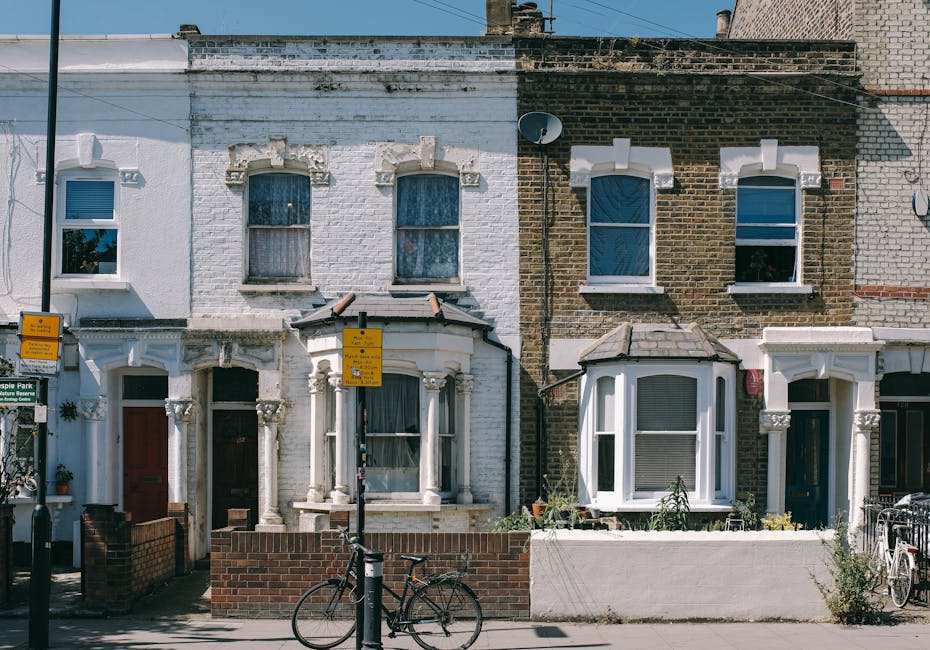
Moving out of a Victorian house in Stoke Newington is rarely a simple lift-and-load job. Narrow staircases, original floorboards, awkward front doors, tight residential streets, and the sort of loft spaces that look charming until moving day all change the game. If you are planning a move in N16, this Stoke Newington N16 Removals Guide for Victorian Houses will help you understand what really matters, what can go wrong, and how to make the whole process smoother from the first box to the last lamp.
There is a reason these homes need a bit more thought. Victorian properties are full of character, but that character can be a challenge when you are shifting wardrobes, sofas, mirrors, or anything fragile. The good news? With the right preparation, the move feels much more manageable. Let's walk through it properly.
Why Stoke Newington N16 Removals Guide for Victorian Houses Matters
Victorian houses in Stoke Newington often look deceptively straightforward from the pavement. Inside, though, the layout can be quite the puzzle. You may have steep staircases, split-level landings, bulky chimney breasts, sash windows, and rooms that were never designed with modern furniture in mind. That matters because every one of those details affects how you plan, pack, protect, and move your belongings.
In N16, street access is another factor. Some roads are calm and residential; others get busy fast at school runs, weekends, or around peak commuter times. Parking may be limited, turning space may be tight, and even a short carry from van to front door can become a real part of the job. If you ignore that early on, removal day can feel like one of those "why did we not think of this sooner?" moments.
This guide matters because a good move is not just about transport. It is about timing, access, protecting delicate items, and choosing the right service type for the property. If you are comparing options, it helps to understand the broader range of moving support available through removal services in Hackney and the more tailored support for house removals in Hackney. Victorian homes usually need more than a generic, one-size-fits-all approach.
Key takeaway: the more character a Victorian house has, the more planning your removal needs. Access, packing, furniture size, and timing all matter more than people expect.
How Stoke Newington N16 Removals Guide for Victorian Houses Works
At a practical level, moving from a Victorian house usually follows the same broad structure as any house move, but with more attention to detail. First, you assess the property and what needs moving. Then you decide what should be packed early, what needs special wrapping, and whether anything large or awkward needs dismantling. After that, you arrange transport, plan the route, and make sure the loading process suits the house layout.
For example, a two-up, two-down terrace with a narrow staircase may require more careful handling than a larger detached house with a straight hallway. A bookcase might need to be moved on its side, a sofa may need two people and some patience, and a wardrobe could be too awkward to take down the stairs in one piece. Truth be told, you often discover the tricky bits only when you start measuring doorways properly.
If you are unsure what level of help you need, it can be useful to explore broader moving options such as house removals, furniture removals, or even a flexible man and van service in Hackney for smaller loads. The right choice depends on volume, fragility, and access. Not just price.
A sensible move plan also includes insurance awareness, packing standards, and safety checks. If a mover is carrying heavy items through a hallway with old skirting, worn steps, or a tight doorway, the risk changes. Good removals planning reduces that risk rather than pretending it is not there. Simple, but worth saying.
Key Benefits and Practical Advantages
There are real advantages to planning a Victorian-house move properly. The most obvious is fewer surprises on the day. The less obvious one is how much calmer the whole experience feels when you have already thought through the awkward parts in advance. A move can be busy and a bit noisy, but it does not have to be chaotic.
- Better protection for period features: door frames, banisters, walls, and floorboards are easier to protect when the plan is clear.
- Less strain on awkward furniture: the right lifting and dismantling strategy can save damage and a lot of grunting.
- Faster loading and unloading: if boxes are labelled and rooms are grouped sensibly, the van turns around more efficiently.
- Lower chance of last-minute delays: access issues, parking, and route planning are easier to manage when they are not a surprise.
- More control over cost: good planning helps you avoid paying for avoidable extra time.
There is also a very practical benefit for anyone with fragile or valuable items. Many Victorian homes contain a mixture of old and new belongings, and some of the old ones are the hardest to move safely. If you have artwork, glass, lamps, or heirlooms, it can help to read more about estimating the cost of transporting fragile items. Even a rough understanding makes packing decisions much easier.
And if the move is part of a wider life change, like downsizing, buying your first home, or heading from a family house into something smaller, the right removal approach gives you breathing room. That matters. More than people admit, actually.
Who This Is For and When It Makes Sense
This guide is for anyone moving from, into, or between Victorian houses in Stoke Newington N16. That includes families, couples, landlords, first-time buyers, long-term renters, and people making a local move across Hackney. It also makes sense if you are dealing with a property that looks manageable but has hidden complications like steep access, split-level rooms, or difficult parking.
It is especially useful if you are:
- moving a full household from a period terrace or semi-detached house;
- transporting bulky furniture that has to pass through narrow hallways;
- trying to keep disruption low for children, neighbours, or work schedules;
- moving on a tight timeline and need a more efficient plan;
- not sure whether you need a full service removal or a simpler vehicle-and-labour option.
If you are a tenant leaving a Victorian conversion, a flat move guide may also be relevant, especially where stair access is tight. In those cases, flat removals in Hackney can be a better fit than a house move service. If the job is smaller, a man with a van in Hackney can be the more practical choice. No need to overbuy the service if the job does not need it.
On the other hand, if you are moving an entire family house with multiple rooms and a lot of furniture, the more structured approach of house removals in Hackney is usually the smarter route. It is less about labels and more about matching the move to the actual building.
Step-by-Step Guidance
Here is a clear way to handle a Victorian house move in Stoke Newington without turning it into a full-time headache.
-
Survey the property properly.
Walk through each room and note anything large, fragile, or awkward. Measure doorways if you suspect a piece of furniture may be tight. Do not guess. Guessing is how wardrobes become "the problem item" at 8:10 in the morning.
-
Sort what moves, what sells, and what stays.
Victorian homes collect things. It happens. If you have furniture you no longer need, decide early whether it will be moved, stored, recycled, or passed on. This is where extra space can help, especially if you are between homes and need flexibility through storage in Hackney.
-
Book the right transport and manpower.
The vehicle size matters, but so does the level of help. A bulky sofa and a tight staircase may need more hands, while a lighter move may work well with a smaller van setup. If you need a vehicle reference point, a removal van in Hackney is often the better fit for larger domestic jobs.
-
Pack by room, not by impulse.
Kitchen with kitchen. Bedroom with bedroom. Keep screws, shelf pins, and fittings in labelled bags. That tiny bit of order pays you back later when you are tired and trying to rebuild a bed frame. Which, let's face it, is never fun.
-
Protect the house as well as the furniture.
Use covers for mattresses, blankets for wood furniture, and protective wrapping for glass and mirrors. In a Victorian property, the property itself can be delicate too. Corners, architraves, and stair rails deserve respect.
-
Plan the loading sequence.
Heavy items first, fragile items secure, essentials last. Keep a clear route through the house. If you have a long internal carry, make sure the path is not cluttered with loose boxes, shoes, coat stands, or whatever else seems to appear from nowhere during a move.
-
Do one final sweep before the van leaves.
Check cupboards, loft spaces, under stairs, and behind doors. Victorian houses are very good at hiding items in plain sight. One last check saves a later apology and a second trip.
Expert Tips for Better Results
The details are where a move gets easier or harder. You do not need a dramatic overhaul; you just need to do the useful little things that experienced movers quietly rely on.
First, measure the awkward furniture early. If a wardrobe, bed base, dining table, or piano needs to move through a narrow hall, measure both the item and the route. It sounds obvious, but many people leave this until the day before. Then everyone starts tilting things at odd angles and hoping for the best. Not ideal.
Second, keep a "first night" box separate. Put kettle, mugs, toiletries, phone chargers, toilet paper, snacks, and basic bedding in one box or bag. After a long moving day, that box feels like a small miracle.
Third, think about stairs in terms of timing and fatigue. Victorian stairs can be narrow and steep, and repeated carrying gets tiring fast. If you want to avoid slowdowns, plan the route so the heaviest items go when everyone is fresh. Morning moves often work better than late afternoon ones for that reason alone.
Fourth, be honest about special items. If you have a piano, large mirror, antique cabinet, or anything with sentimental value, say so early. There are dedicated services for delicate items such as piano removals in Hackney, and those specialist skills matter more than people think.
Fifth, read the moving terms before you need them. Nobody loves that part, but clarity helps. A quick look at terms and conditions, insurance and safety information, and health and safety policy can prevent misunderstandings. That is just sensible, really.
Sixth, if you are comparing services, use the right benchmark. Some moves suit a fully managed team, others only need a vehicle and loading help. If you are still deciding, removal companies in Hackney can be compared by service scope rather than headline price alone. Cheaper is not always cheaper, if you know what I mean.
Common Mistakes to Avoid
Most moving problems are preventable. That is the frustrating part. But it also means you can dodge them pretty easily once you know the pattern.
- Underestimating access: assuming the van can park right outside is a classic mistake in N16.
- Not measuring furniture: one wide sofa can change the whole moving plan.
- Packing heavy boxes full of books: very common, very unpleasant. Keep boxes manageable.
- Leaving packing too late: last-minute packing always creates breakages and stress.
- Forgetting to protect the property: old plaster, paintwork, and bannisters need care.
- Not checking what is included: loading, dismantling, and wrapping may vary by service.
- Ignoring recycling and waste planning: broken items and unwanted packaging need a plan.
One more thing people often miss: timing around local traffic. A move that looks simple at 11 a.m. can feel very different if you hit school traffic or a busy weekend window. In Stoke Newington, a little flexibility goes a long way.
If you are disposing of packaging, damaged furniture, or leftover items, a sensible approach to recycling and sustainability helps keep the move tidy and less wasteful. It also just feels better to leave a place in decent order.
Tools, Resources and Recommendations
You do not need a van full of special gear, but a few practical tools make a Victorian-house move smoother.
- Strong boxes in mixed sizes: use smaller boxes for books and heavier items, larger ones for lighter soft goods.
- Packing tape and marker pens: basic, boring, essential.
- Furniture blankets and wrap: especially useful for wood finishes, mirrors, and painted surfaces.
- Zip bags for fittings: screws, handles, and brackets should stay attached to the right item.
- Door protection and floor coverings: very helpful in older homes with narrow routes.
For a fuller packing workflow, package and boxes in Hackney and packing and boxes in Hackney are useful places to explore. If you want to handle the move in a more structured, professional way, services overview is a sensible starting point because it gives you a broader view of what can be included.
And if speed matters because keys are changing hands on the same day, a quicker option may be better than a drawn-out plan. In that case, same-day removals in Hackney can be worth considering. Not every move allows a luxury of time.
Law, Compliance, Standards and Best Practice
Moving home in the UK is usually straightforward from a legal point of view, but there are still standards and responsibilities worth taking seriously. For example, removals teams should handle lifting safely, protect customers' belongings, and carry out work with reasonable care. If a move involves stairs, heavy loads, or awkward access, good manual handling practice is not optional. It is part of the job.
For customers, the sensible part is making sure you understand what is included, what insurance cover is in place, and whether any special terms apply to fragile or high-value items. That is especially relevant in Victorian houses, where unusual access or older interiors can add risk. You do not need to become a compliance expert. Just be clear on the basics and ask questions when something is unclear.
It is also reasonable to check how a company handles data, payments, complaints, accessibility, and safety information. Those pages are there for a reason. If you are reviewing the provider, useful references include payment and security, complaints procedure, accessibility statement, and the company's privacy policy. No drama, just due diligence.
One quietly important standard is honesty about the move itself. If a staircase is very narrow, if parking is limited, or if you have unusually heavy items, say so early. That helps the team plan properly and protects you from avoidable delays.
Options, Methods, or Comparison Table
Different Victorian-house moves need different approaches. Here is a simple comparison to help you think clearly.
| Move type | Best for | Main advantage | Watch out for |
|---|---|---|---|
| Man and van | Smaller loads, local moves, a few bulky items | Flexible and straightforward | Can be less suitable for full household moves |
| House removals | Full Victorian house moves with furniture and boxes | More structured support and coordination | Needs more planning and timing detail |
| Flat removals | Converted flats or upper-floor homes | Suited to stair access and tighter layouts | Access and carrying distances still matter |
| Storage plus move | Delayed completion, downsizing, or split moves | Gives breathing space and flexibility | May add another step to manage |
If you are unsure which method fits your situation, the right choice usually comes down to three things: volume, access, and timing. That is the real decision tree. Not the marketing language.
Case Study or Real-World Example
Picture a family moving out of a Victorian terrace in Stoke Newington. They have a large wardrobe upstairs, a dining table downstairs, several boxes of books, a mirror that has been in the house for years, and a kitchen full of oddly shaped equipment. At first glance, it sounds like a normal domestic move. Then the details start to show up.
The staircase is narrow at the turn. The front hallway is tighter than expected. The parking space they hoped for is not available right outside. The wardrobe will not safely clear the corner unless it is taken apart. The mirror needs extra wrapping. Suddenly the "simple move" becomes a planning exercise.
What helped? They started early, packed by room, and labelled the essentials clearly. They measured the large furniture before moving day, booked the right size of vehicle, and kept a clear path through the house. They also set aside one bag with kettle stuff, phone chargers, and snacks, which sounds trivial until 6 p.m. when everyone is tired and mildly cross.
The move still took effort. Of course it did. But it was controlled effort, not chaos. That is the difference good preparation makes.
If you want to understand more about choosing a trustworthy mover before you book, tips for hiring professional movers is a useful read. And if you are new to the area or moving within Hackney more broadly, a local's guide to living in Hackney can help you settle in with a bit more confidence.
Practical Checklist
Use this checklist in the final week before your move. It keeps things grounded.
- Confirm the moving date, time, and access details.
- Measure large furniture and tight doorways.
- Decide what will be moved, stored, donated, or recycled.
- Pack room by room and label every box clearly.
- Keep important documents and valuables with you.
- Prepare a first-night bag with essentials.
- Protect furniture, floors, and walls with covers or blankets.
- Check parking and loading arrangements near the property.
- Read service terms, insurance, and payment details.
- Do a final sweep of lofts, cupboards, under stairs, and behind doors.
If you are arranging a move for a business or workspace as well as a home, the same planning logic applies. For heavier or more coordinated jobs, office removals in Hackney may also be relevant. Different setting, same need for order.
Get a free quote today and see how much you can save.
Conclusion
Victorian house removals in Stoke Newington N16 are absolutely manageable, but they reward careful planning more than most moves. The shape of the home, the age of the building, and the realities of local access all influence how well the day goes. Once you account for those factors, the stress drops quite a lot.
The best approach is usually simple: measure early, pack intelligently, choose the right service level, and do not leave the awkward bits until the last minute. If you do that, moving day becomes a process you can handle rather than a mess you have to survive. And that is a much nicer way to move house, honestly.
When the boxes are gone and the kettle is on at the other end, you will be glad you gave the old house the respect it deserved. That final moment always feels a bit special.